In the Media
The movement to integrate the restorative power of nature into modern healthcare is gaining fierce momentum. Decades of scientific research and new training programs are igniting professionals to imbed this profound practice into clinical work and organizational programs.
Explore the latest global press features, medical insights, and expert interviews highlighting Dr. Susan Abookire and the Nature Systems Institute as they lead the charge to incorporate the healing benefits of nature into medicine and healthcare.
Here is how the intersection of clinical science and the natural world is shaping the future of global wellness.

Featured In







In the Media
-
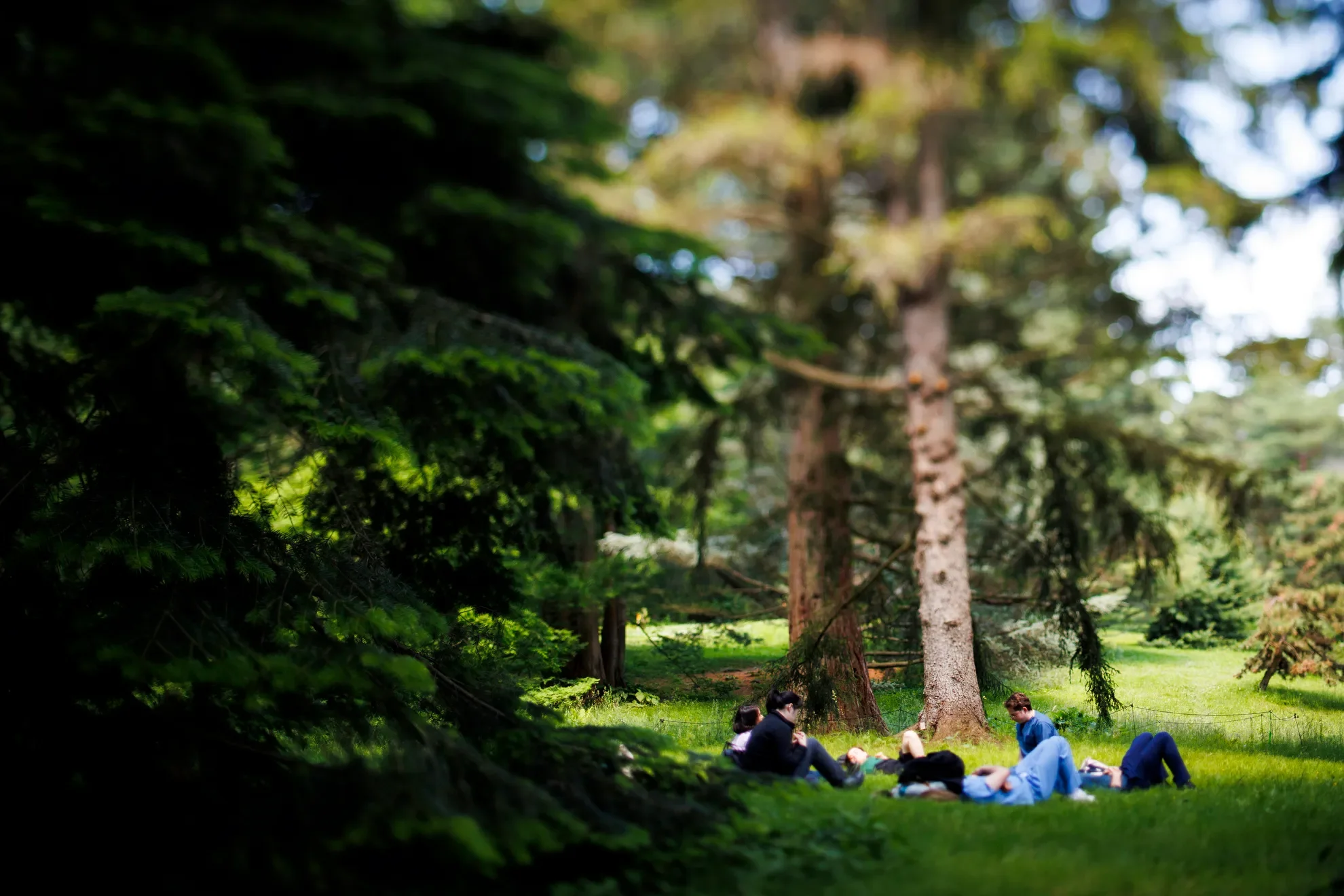
The best medicine may be free
Forest therapy guide explains what a daily dose of nature does for the body.
Media Outlet: The Harvard Gazette
-

What is forest bathing? Why it may help your health
Forest bathing may help reduce stress naturally, according to a Mass General Brigham's Dr. Susan Abookire. Here’s what it is and why it matters.
Media Outlet: ABC - www.wcvb.com
-
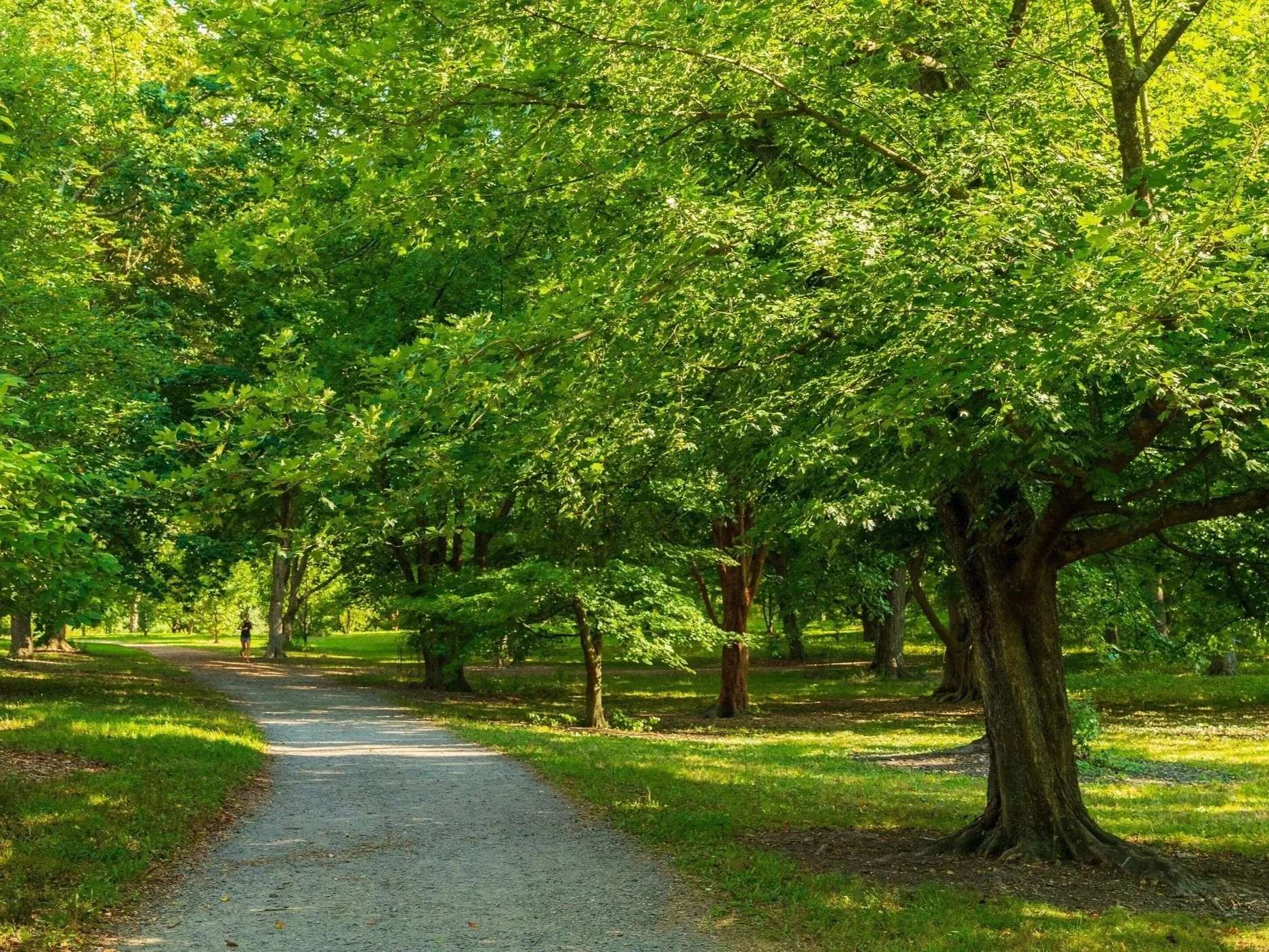
Forest therapy: Why a physician wants more doctors to train in nature-based medicine
Doctors spend years studying the biology and chemistry of our bodies and then learning how to fix them. Their training rarely includes what's known as nature-based medicine. A doctor in Boston wants to change that. From member station WBUR, Martha Bebinger reports.
Media outlet: NPR One Radio
-
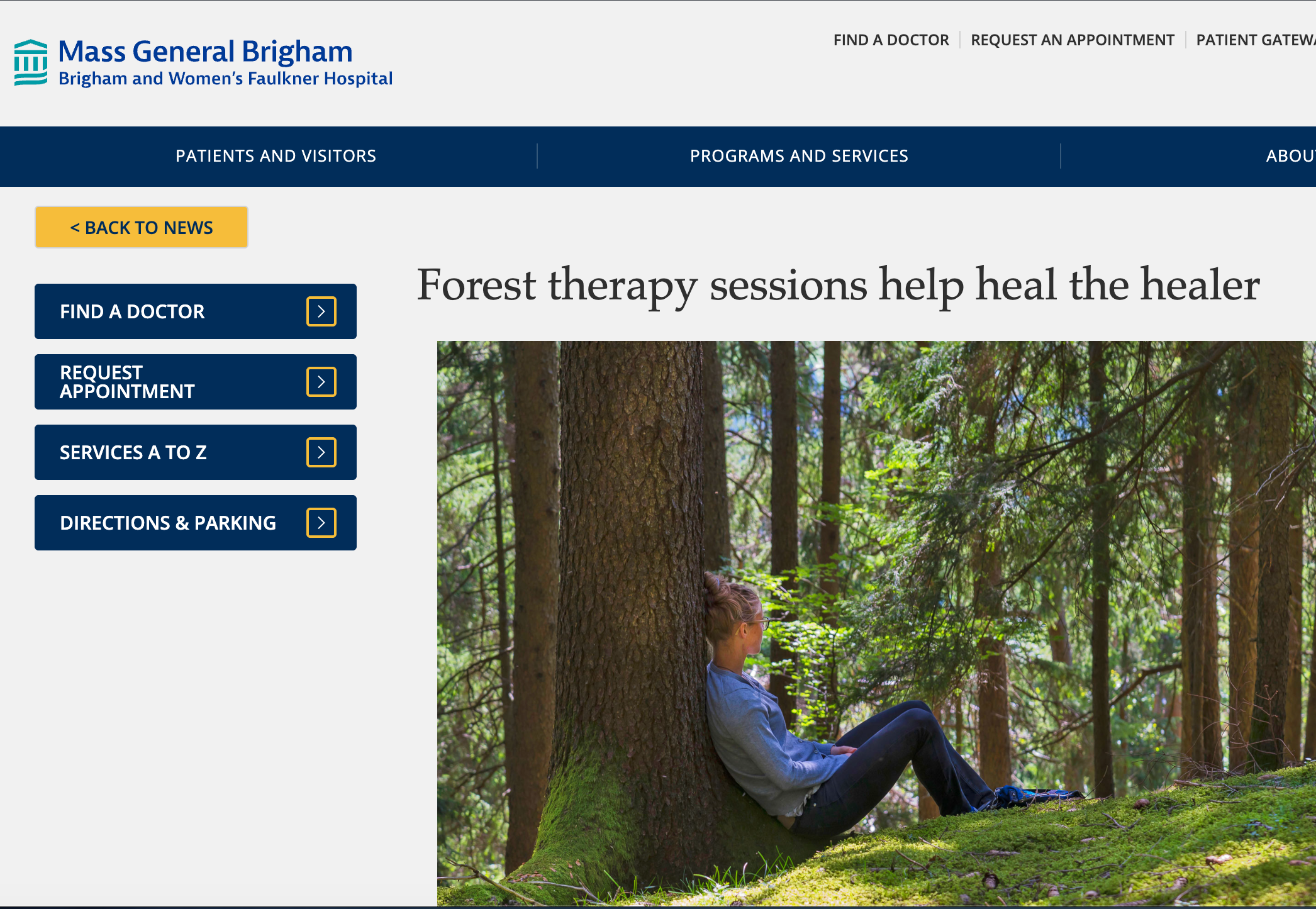
Forest therapy sessions help heal the healer
“Unlike a hike or guided nature walk aimed at identifying trees or birds, forest therapy relies on trained guides, who set a deliberately slow pace and invite people to experience the pleasures of nature through all of their senses,” explains Dr. Abookire. “It encourages people to be present in the body, enjoying the sensation of being alive and deriving profound benefits from the relationship between ourselves and the rest of the natural world.”
Media outlet: brighamandwomensfaulkner.org
-
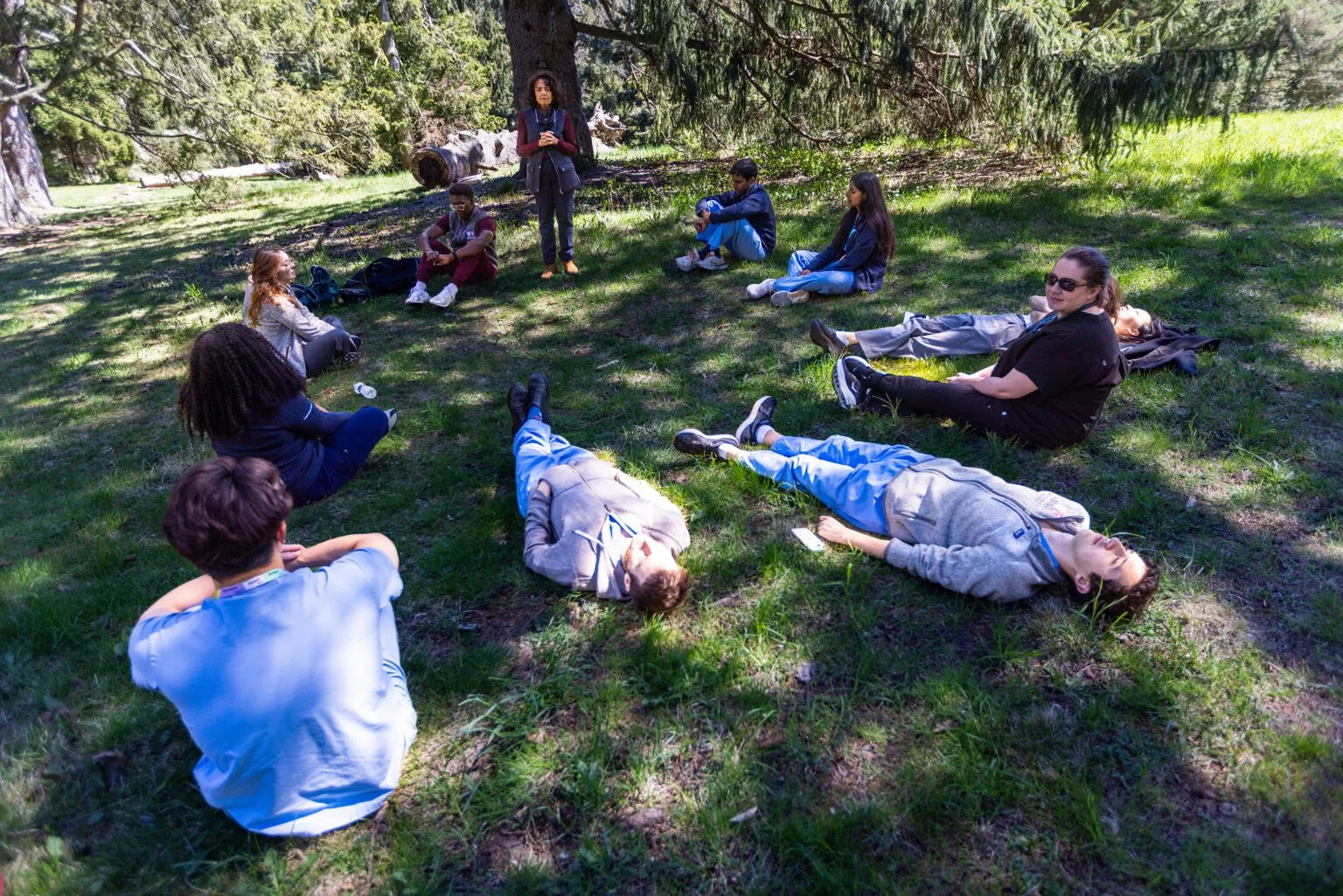
In Boston, doctors try a dose of nature as medicine
Forest therapy is a more structured version of forest bathing, a practice that emerged from Japan in the 1980s. Abookire spent more than 20 years in hospital leadership roles before becoming a forest therapy guide in 2020.
Her objective today is to steer these stressed physicians away from test results and beeping monitors to the deep breathing that research has shown to reduce stress, the smell of pine tree oils linked to boosting the immune system and the bird song that may lower blood pressure. Abookire watched shoulders drop and breathing slow — and asked what the participants were noticing.
Media outlet: wbur.org
-
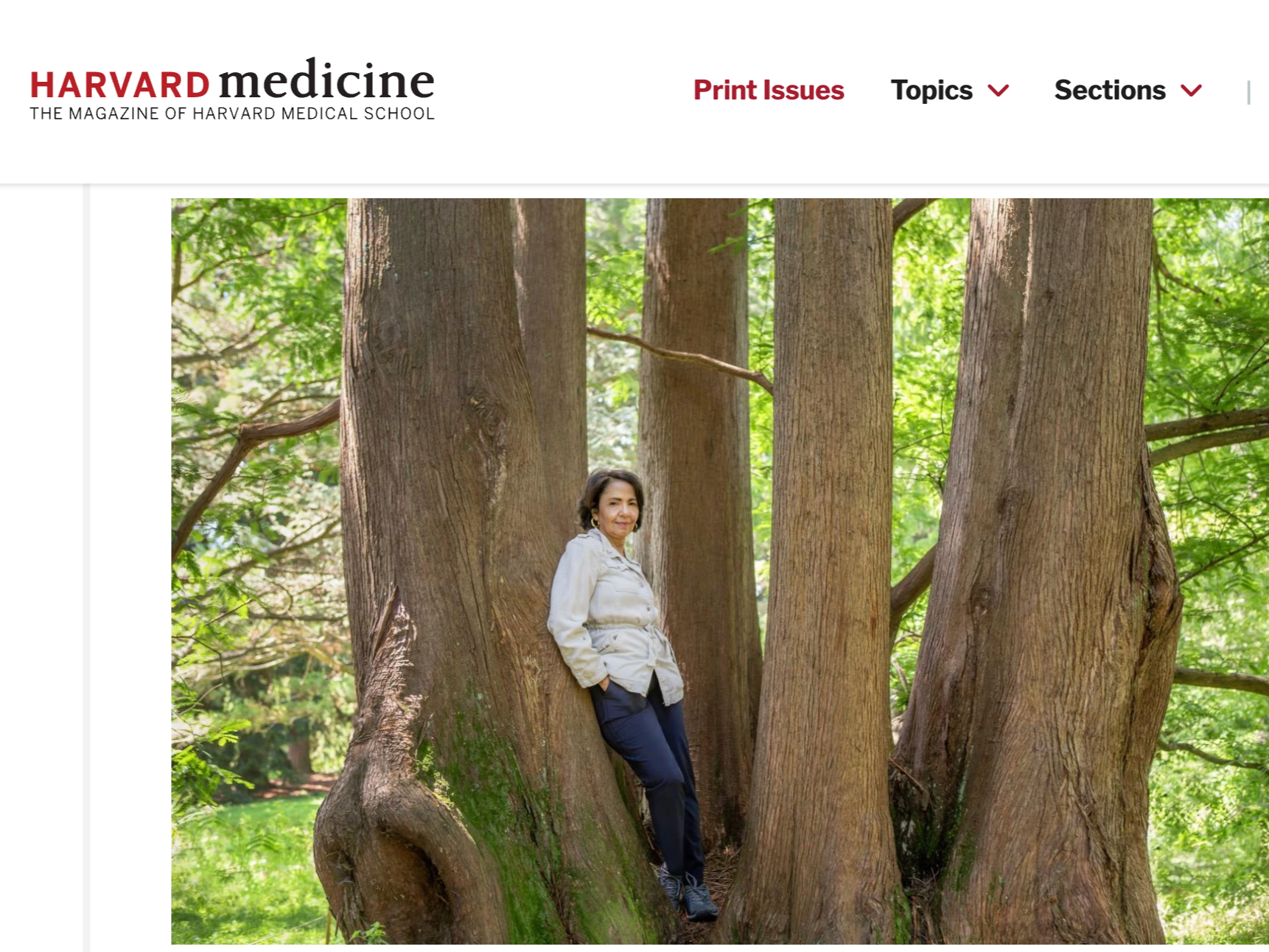
A Walk in the Woods May Boost Mental Health
“We evolved in relationship with the trees,” she says. “If you look at the science, you see how, for example, the aromatic compounds of the forest affect our immune systems, or how dirt regulates the microbiome of our guts. There is no one pharmaceutical or precision medicine tool that could ever have the broad benefits of a forest.”
Media outlet: Harvard Medicine, the Magazine of Harvard Medical School.
-
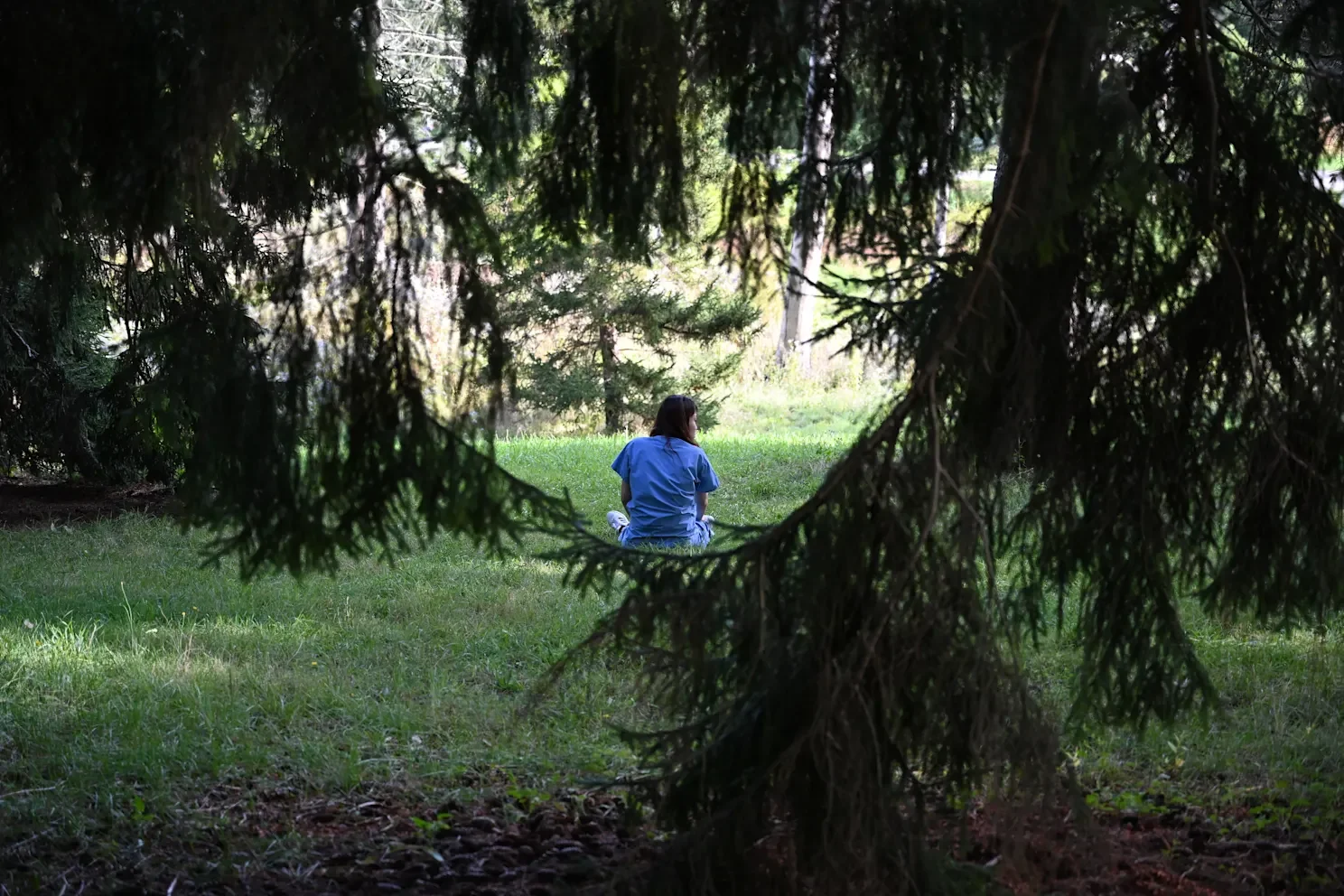
I did what the doctor ordered. I introduced myself to a mushroom
I was participating, somewhat sceptically, in a forest-bathing session Abookire was leading at Harvard’s Arnold Arboretum for seven young doctors. It’s part of resident training at Harvard-affiliated Brigham and Women’s Hospital, which is looking for ways to reduce stress and burnout within the profession. Abookire also trains healthcare professionals nationwide to be “forest therapists”, a program accredited by Mass General Brigham that promotes nature as a form of medicine.
Media outlets:
The Washington Post
The Sydney Herald
-
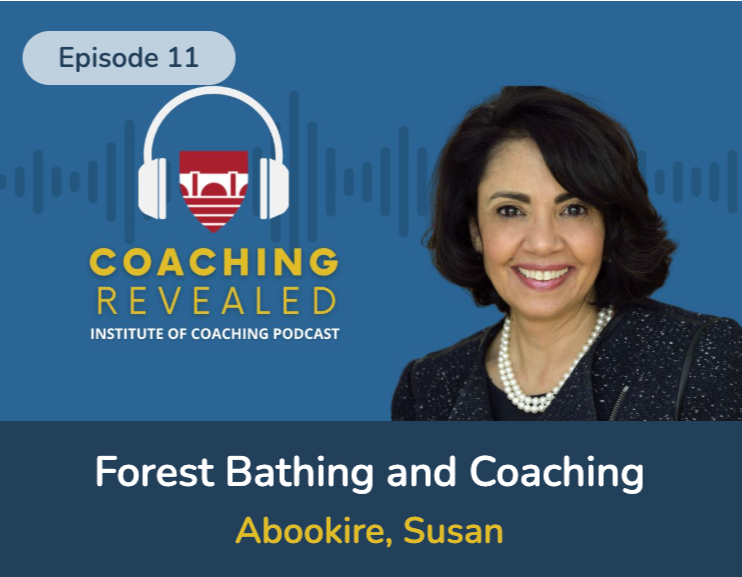
Forest Bathing and Coaching
Susan’s journey to forest bathing began with a role as an electrical engineer. She then received her physician training at Harvard. Within her coaching practice, Dr. Abookire focuses on helping residents learn systems design and healthcare leadership with a nature-based outlet that provides a safe haven for discovery.
Media Outlet: instituteofcoaching.org
-
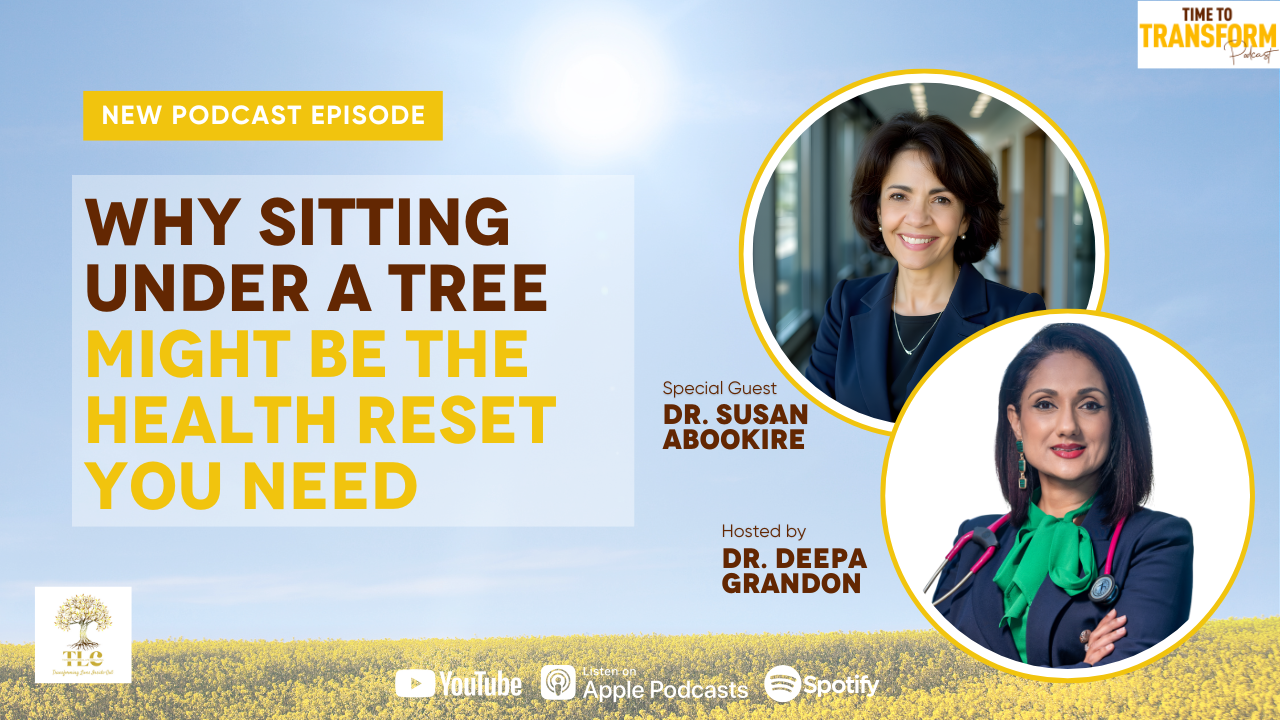
Nature is Medicine: How to Heal With Forest Therapy
In this episode, I’m joined by healthcare leader, educator, certified executive coach, and certified Forest Therapy guide, Dr. Susan Abookire.
We explore the physiological, emotional, mental, and spiritual power of reconnecting with nature, and how to make it a habit.
We also talk about overlooked yet transformative interventions for stress, chronic disease, and emotional well-being.
Media outlet: Time to Transform
CONTACT US